KEYXE Open Source

Open Tools. Shared Learning. Responsible Boundaries.

We believe useful examples, documented interfaces, and carefully reviewed developer tools can help more people understand and build technology.

KEYXE follows a selective open-source approach. We intend to share original, publication-safe components while keeping customer information, access credentials, and privately operated SaaS infrastructure protected. Each release will clearly state its scope, license, and actual status.

Public repository: not yet published
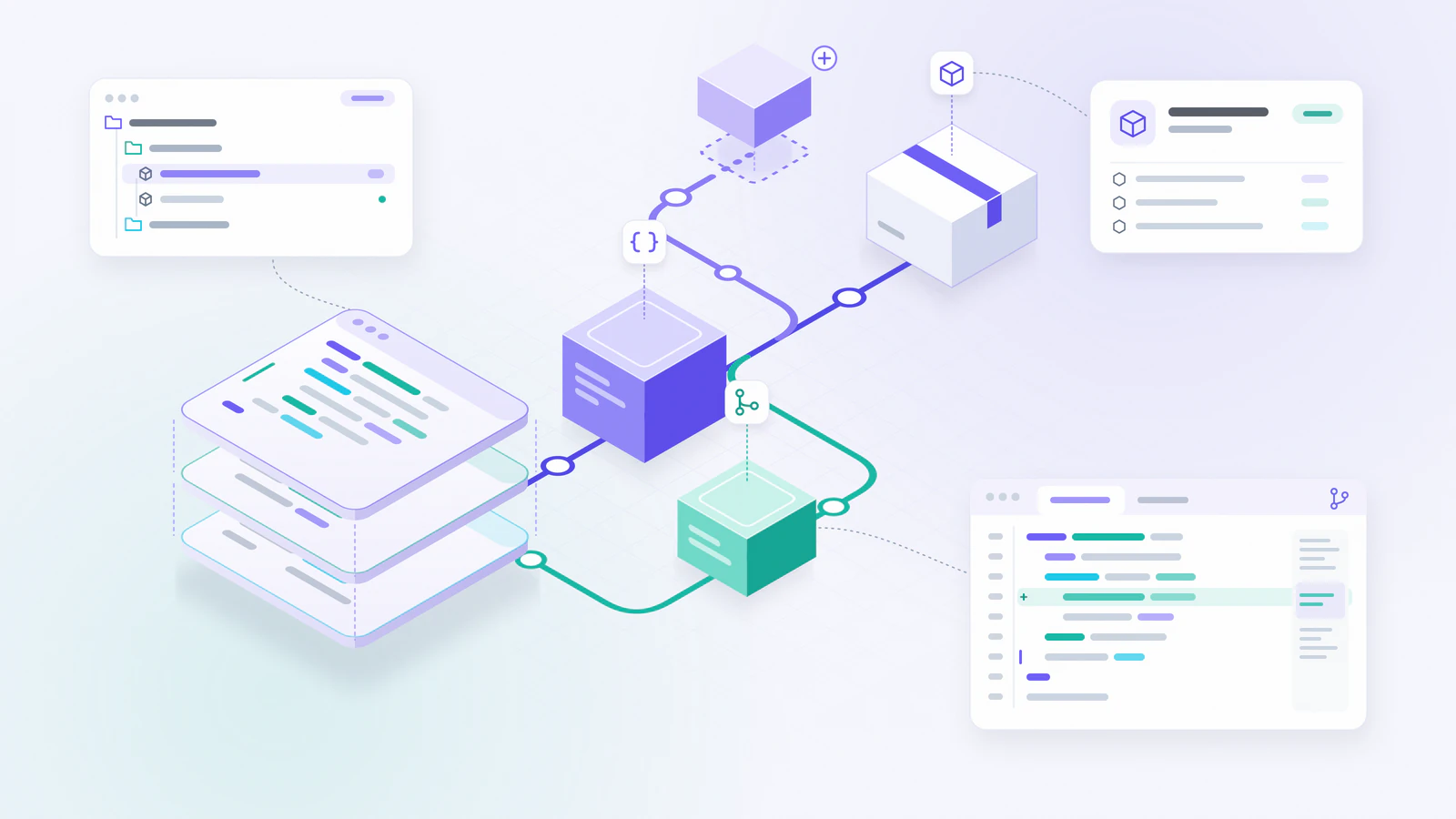
Illustration of modular code packages connected by branch lines and clean interface panels.

Why we share

Better Tools Begin With Shared Understanding.

Developers learn from working examples. Students learn from transparent explanations. Communities strengthen technology when a project invites feedback and makes its interfaces understandable. Our aim is to contribute resources that others can inspect, adapt and improve — without releasing data that belongs to customers.

Learn

Working examples teach faster than descriptions.

Build

Documented interfaces make it easier to build responsibly.

Collaborate

Feedback makes shared tools better for everyone.

What we plan to open

The Public Developer Toolkit.

Statuses come from KEYXE’s release manifest. “In Development” means the code exists and is tested in KEYXE’s private repository but has not been released. No license or version is shown until a reviewed release exists.

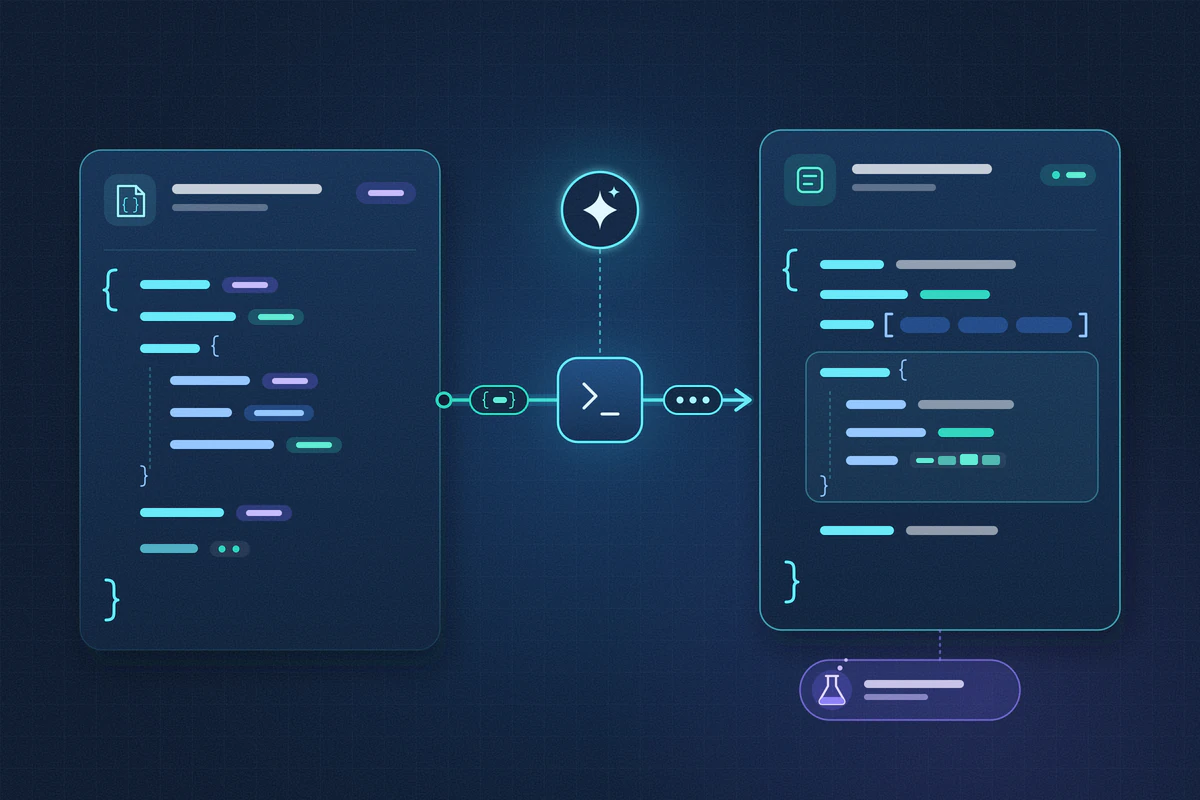
Illustration of generic MCP tool cards: a schema document, a tool call arrow and a structured response, using synthetic data.

MCP Tool Contracts

In Development

Read-only tool input schemas and a consistent result envelope, with fully synthetic examples.

License
Not yet selected
Version
Not released
Last reviewed
Oct 8, 2026

MCP Client Starter

Planned

A deterministic, read-only example client that runs offline against synthetic data.

License
Not yet selected
Version
Not released
Last reviewed
Oct 8, 2026

Synthetic Commerce Data

In Development

A seeded generator of made-up seller, inventory and advertising records. No real Amazon records.

License
Not yet selected
Version
Not released
Last reviewed
Oct 8, 2026

Metric Formulas

In Development

Pure functions for ACoS, ROAS, CPC, CTR, conversion rate and illustrative break-even ACoS.

License
Not yet selected
Version
Not released
Last reviewed
Oct 8, 2026

Testing and Validation Helpers

In Development

Helpers that keep tool inputs safe and outputs bounded, and protect CSV exports from formula injection.

License
Not yet selected
Version
Not released
Last reviewed
Oct 8, 2026

Educational Documentation

In Development

Guides, a glossary and diagrams that explain commerce analytics and AI tooling.

License
Not yet selected
Version
Not released
Last reviewed
Oct 8, 2026

What stays private

Open Source Does Not Mean Open Customer Data.

KEYXE’s public code examples are separate from authenticated customer environments. Credentials, private organizational records, commercial services and Amazon-origin information are not part of our open-source releases.

Public (after review)

  • MCP tool schemas and example inputs and outputs with fictional values
  • Synthetic data generators that fabricate seller and advertising records from scratch
  • Pure metric formulas (ACoS, ROAS, CPC, CTR, conversion rate, illustrative break-even)
  • Validation and CSV-safety helpers, with their tests
  • Educational guides, glossary entries and diagrams

Protected (never published)

  • Amazon OAuth client credentials, refresh tokens and signing keys
  • Seller, advertiser and customer data — and anything derived from live accounts
  • Tenant records, identity tables, audit trails and real email addresses
  • Production authorization, billing, secrets and the hosted SaaS infrastructure
  • Security findings, incident reports and sensitive deployment details
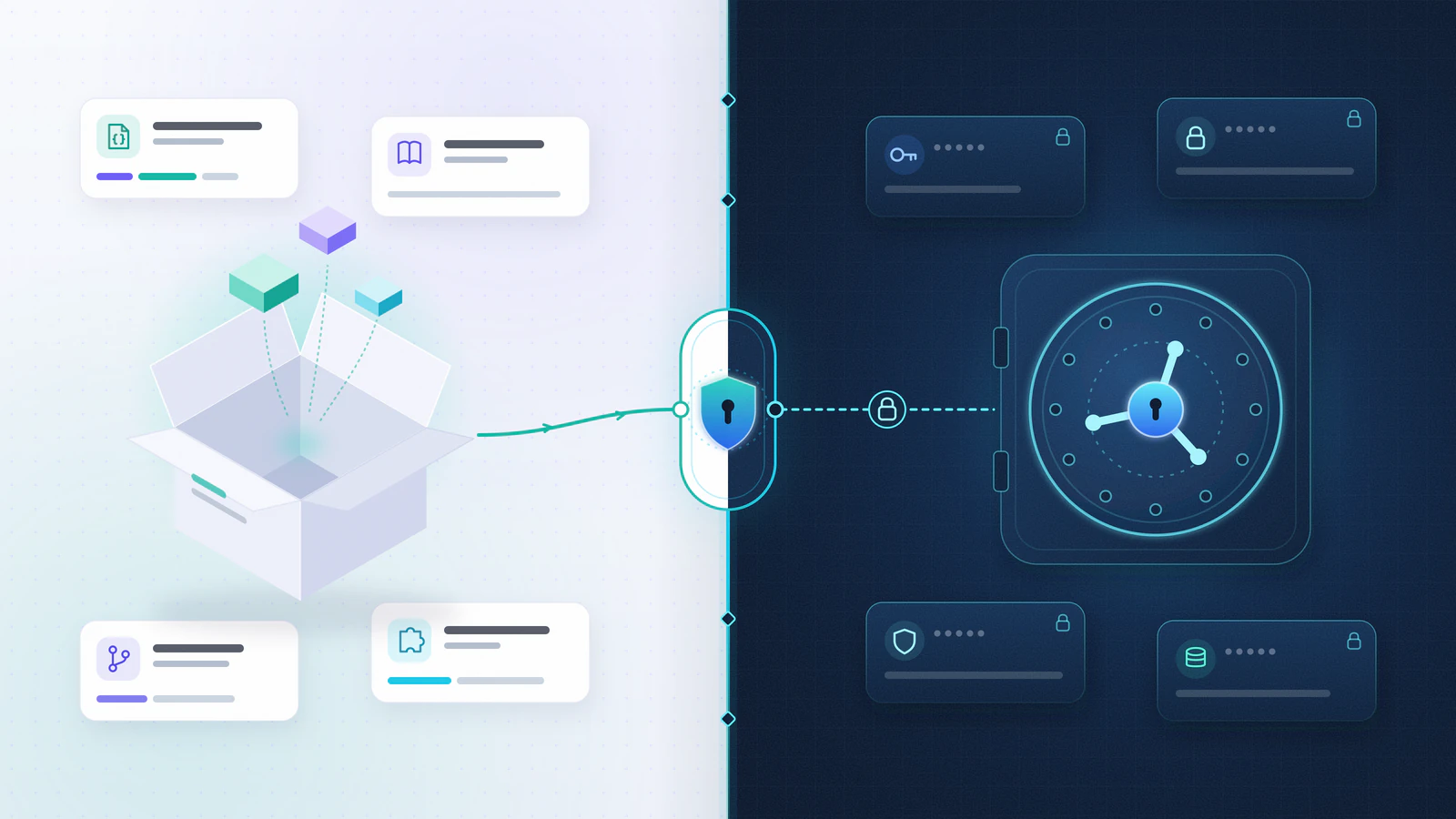
Illustration of open software modules on one side and locked data compartments on the other, separated by a clear boundary.
Illustration: public, reviewed components on the left; protected credentials, customer data and private services on the right.

An MCP interface is not permission to transfer production Amazon data to external AI systems. Real integrations require Amazon authorization and a policy assessment, and live transfer of Amazon data to AI providers is off in KEYXE.

Open core

Community Value and a Sustainable Product Can Coexist.

Some developer tools can be useful independently and may be published under an open-source license. The hosted KEYXE SaaS may include separately maintained proprietary services and paid offerings. We identify the boundary clearly so developers know what they are allowed to use.

Licensing and attribution

Know What You Can Use.

Always read the LICENSE and NOTICE files of the specific repository you use. Each released component will state its own license.

For selected original SDKs and tools, KEYXE is considering Apache-2.0, which includes an explicit patent grant and requires keeping copyright and NOTICE information. Documentation may use a separately specified license. No license has been selected yet; until a reviewed release exists, every component on this page shows “Not yet selected”.

Third-party code keeps its original license and attribution, and Amazon-owned code is never relicensed.

The KEYXE name and logos are not covered by any open-source software license; a code license does not grant brand rights.

Kinds of openness
TermWhat it means at KEYXE
Open source codeCode under an OSI-approved license (such as Apache-2.0 or MIT) that allows use, modification and redistribution, including commercial use.
Open documentationReadable public documentation, which may carry its own license (for example CC BY 4.0) once one is chosen.
Open examplesFictional, synthetic datasets created from scratch and cleared for redistribution under a documented license.
Source availableVisible code with restrictive terms. KEYXE will not call this “open source”.
Private servicesHosted authorization, the credential vault, tenant isolation, billing and commercial data infrastructure. Not published.

Transparent roadmap

From Intention to Published Code.

Statuses are local, verified configuration — not live counters. “Last reviewed” dates change only when a status is re-checked or a release happens.

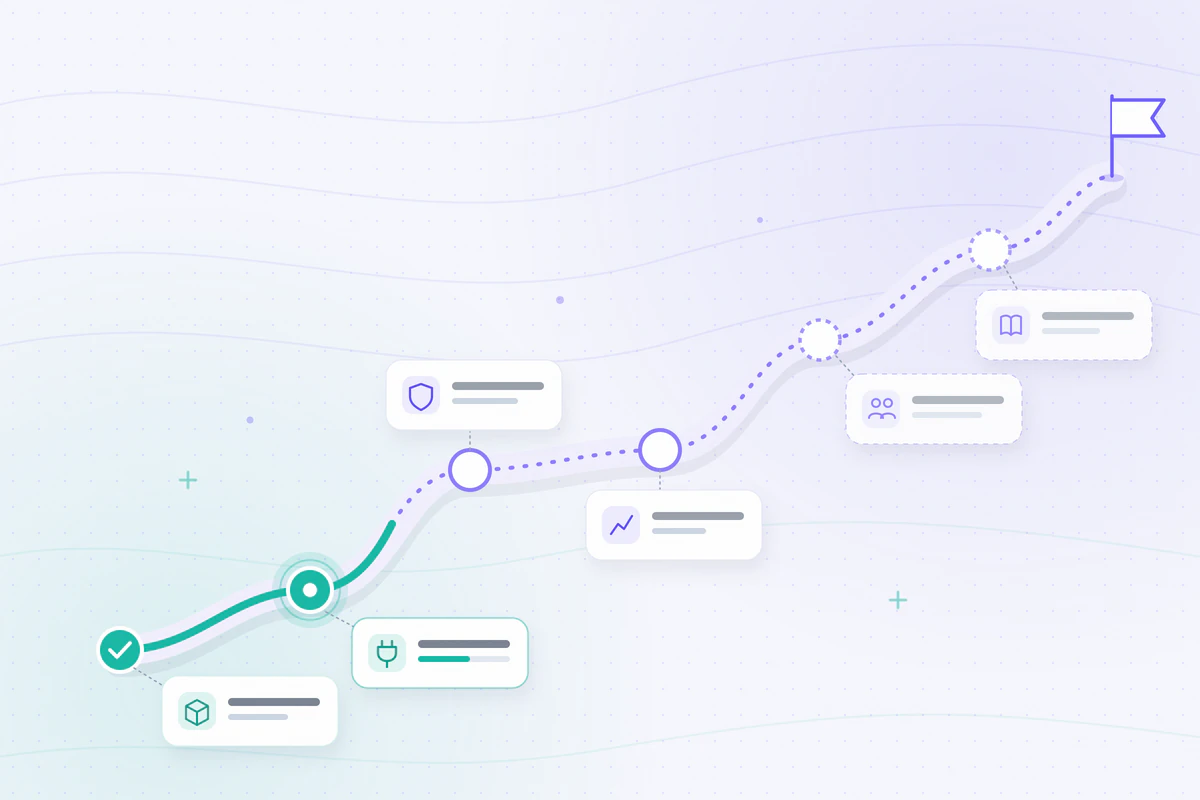
Illustrative roadmap path with a first milestone, one in progress and later milestones still planned. Not a depiction of KEYXE’s actual release status.

7 items

  • MCP Tool ContractsIn Development

    Read-only tool input schemas and a consistent result envelope, with fully synthetic examples.

    Last reviewed Oct 8, 2026

  • MCP Client StarterPlanned

    A deterministic, read-only example client that runs offline against synthetic data.

    Last reviewed Oct 8, 2026

  • Synthetic Commerce DataIn Development

    A seeded generator of made-up seller, inventory and advertising records. No real Amazon records.

    Last reviewed Oct 8, 2026

  • Metric FormulasIn Development

    Pure functions for ACoS, ROAS, CPC, CTR, conversion rate and illustrative break-even ACoS.

    Last reviewed Oct 8, 2026

  • Testing and Validation HelpersIn Development

    Helpers that keep tool inputs safe and outputs bounded, and protect CSV exports from formula injection.

    Last reviewed Oct 8, 2026

  • Educational DocumentationIn Development

    Guides, a glossary and diagrams that explain commerce analytics and AI tooling.

    Last reviewed Oct 8, 2026

  • Public repositoryNot published

    Not published. A link appears here only when a reviewed public repository exists.

    Last reviewed Oct 8, 2026

Roadmap as a table
ItemStatusLast reviewed
MCP Tool ContractsIn DevelopmentOct 8, 2026
MCP Client StarterPlannedOct 8, 2026
Synthetic Commerce DataIn DevelopmentOct 8, 2026
Metric FormulasIn DevelopmentOct 8, 2026
Testing and Validation HelpersIn DevelopmentOct 8, 2026
Educational DocumentationIn DevelopmentOct 8, 2026
Public repositoryNot publishedOct 8, 2026

Contribution guide

Join the Work, When a Repository Is Available.

Public contributions are not open yet. There is no public repository, so there is nothing to fork today.

Once a reviewed repository is published, contributing will follow the usual flow:

  1. Fork the repository and create a branch for your change.
  2. Test: run the repository’s tests and linters, and add tests for new behaviour.
  3. Open a pull request describing the change and why it helps.
  4. Review: maintainers check correctness, security and license compatibility.
  5. Sign-off: a DCO sign-off or contributor agreement, whichever policy is selected and published with the repository.

README, CONTRIBUTING, CODE_OF_CONDUCT and SECURITY files will be linked here when they are published. We never expose contributors’ email addresses without consent.

Interested in collaborating?

Fields marked “required” must be completed. Do not include passwords, Amazon credentials or tokens, or other people’s personal data.

Bot protection
Loading verification check…

Security and responsible disclosure

Openness Must Include Security.

Report privately

Report vulnerabilities through the confidential security form — never as a public issue. A SECURITY.md will point to the same process in any published repository.

No real secrets, ever

Published code never contains production tokens. Example environment files list variable names with obviously fake values only, and every release is scanned for secrets before publication.

Open Source FAQ

Questions developers ask

Build Knowledge Together.

Explore our roadmap, learn from the available guides, or share an idea for a safe, useful open-source contribution.

KEYXE is an independent software product operated by ALDER HARBOR IMPORTS LLC.